Online education and employee training are changing rapidly. Businesses, educational institutions, and training organisations are increasingly using digital platforms to deliver knowledge more effectively. However, simply uploading information online is not enough. Learners need interactive, engaging, and easy-to-understand content that helps them retain information and apply their knowledge in real situations.
Professional eLearning solutions help organisations create customised online courses, interactive training modules, software simulations, and digital learning experiences that meet their specific requirements.
At Programming Expertz, we develop responsive eLearning content and simulation solutions designed to make online learning more practical, accessible, and engaging.
What Is eLearning Development?
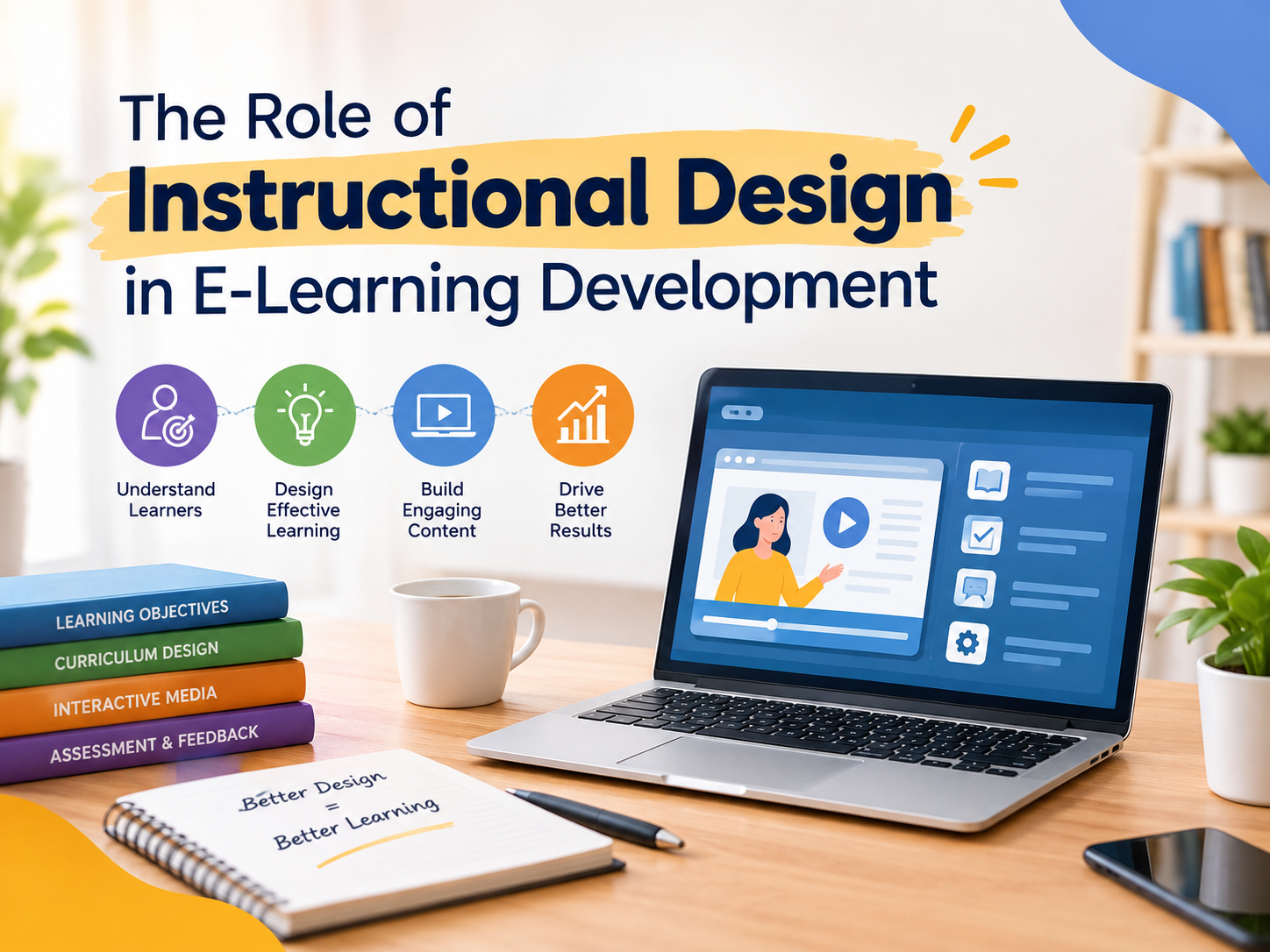
eLearning development is the process of designing and creating digital courses that allow learners to access educational and training materials through computers, tablets, and mobile devices.
These courses can include videos, animations, interactive presentations, quizzes, assessments, voiceovers, and software demonstrations. Depending on the learning objectives, content can be developed as basic informational modules or advanced simulation-based training programs.
For businesses in Vancouver, customised eLearning development provides a convenient way to train employees, introduce new systems, improve workplace knowledge, and deliver consistent learning experiences.
Why Businesses Need Professional eLearning Development in Vancouver
Traditional training methods can require significant time, resources, and coordination. Online learning offers a more flexible approach by allowing employees to access training materials at their convenience.
Here are some important benefits:
1. Flexible Learning Experience
Learners can access online courses from different locations and devices. This flexibility makes it easier for businesses to train remote teams and employees working across multiple locations.
2. Better Learner Engagement
Interactive elements, animations, videos, and knowledge checks make learning more interesting. Instead of simply reading information, learners can participate in activities that improve understanding.
3. Consistent Employee Training
Customised eLearning courses ensure that employees receive the same instructions, information, and training materials, helping organisations maintain consistent standards.
4. Cost-Effective Training
Digital learning reduces the need for repeated classroom sessions, printed materials, and extensive travel arrangements.
5. Performance Tracking
With Learning Management System (LMS) integration, organisations can monitor learner progress, assessment results, and course completion.
Our eLearning Development Strategies
At Programming Expertz, we follow different development strategies depending on the complexity of the content, learning objectives, and level of interaction required.
1. Basic Interactive Learning – Level 1
Level 1 eLearning focuses on presenting information in a simple and understandable format. It includes straightforward navigation, static visuals, limited animations, and basic interactive elements.
Features include:
- Simple course navigation.
- Click-to-reveal interactions.
- Basic knowledge checks.
- Informational content and visual presentations.
- Approximately 25–40 frames.
This approach is suitable for awareness programs, introductory training, and basic educational content.
2. Scenario-Based Learning – Level 2
Scenario-based learning allows learners to understand real-world situations through interactive examples. Instead of only reading instructions, learners explore situations, make decisions, and understand possible outcomes.
It is useful for employee training, customer service education, workplace procedures, and decision-making activities.
3. Advanced Interactive and Simulation-Based Learning – Level 3
Advanced eLearning combines interactive content, multimedia, branching scenarios, and software simulations to create a more immersive learning experience.
Using tools such as Adobe Captivate and Articulate Storyline 360, we develop courses with interactive quizzes, screen recordings, audio, videos, and simulated environments.
Key features include:
- Responsive course design.
- Interactive assessments and quizzes.
- Software and system simulations.
- SCORM and xAPI compatibility.
- LMS integration.
- Multimedia and animation support.
Depending on the complexity of the project, courses may include 40–100+ frames.
Simulation Solutions for Practical Learning
Simulation-based training is an effective way to teach learners how to perform specific tasks without requiring access to a live system or real-world working environment.
Our simulation solutions can include three learning modes:
Show Me – Demonstration Mode: Learners watch a step-by-step demonstration of a task or process. Visual instructions, annotations, and voiceovers explain how each action is performed.
Try Me – Practice Mode: Learners perform the steps themselves in a simulated environment. This allows them to practise workflows and become familiar with software or applications.
Test Me – Assessment Mode: Learners complete tasks independently to evaluate their understanding and practical knowledge.
These solutions are particularly useful for software training, system navigation, employee onboarding, and technical education.
eLearning Authoring Tools We Use
The right authoring tools help create professional, interactive, and responsive online courses. Our development team works with popular eLearning tools, including:
- Adobe Captivate
- Articulate Storyline 360
- Articulate Rise 360
- Articulate Studio 360
- Lectora
- Camtasia
- Ancile uPerform
These tools support different learning requirements, from simple presentations to advanced software simulations and multimedia-based courses.
LMS Support and Integration
A Learning Management System (LMS) helps organisations manage, deliver, and track their online training programs.
We provide support for popular LMS platforms, including Moodle, Blackboard, Adobe Connect, and SumTotal.
These platforms offer useful features such as course management, virtual classrooms, assessments, learner progress tracking, reporting, and collaboration tools.
With appropriate SCORM or xAPI integration, organisations can also track course activity and evaluate training performance.
The Role of Website Development in eLearning
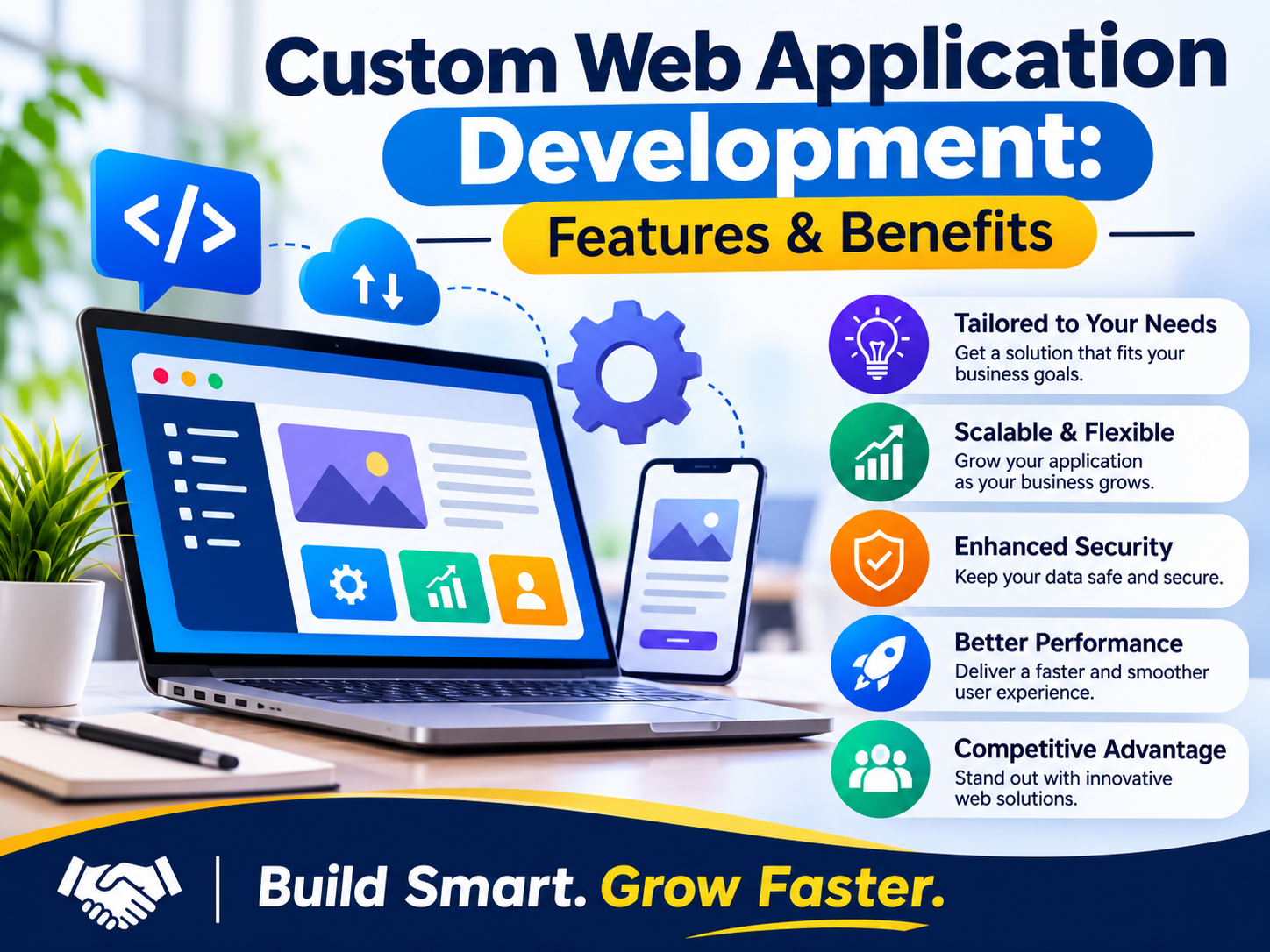
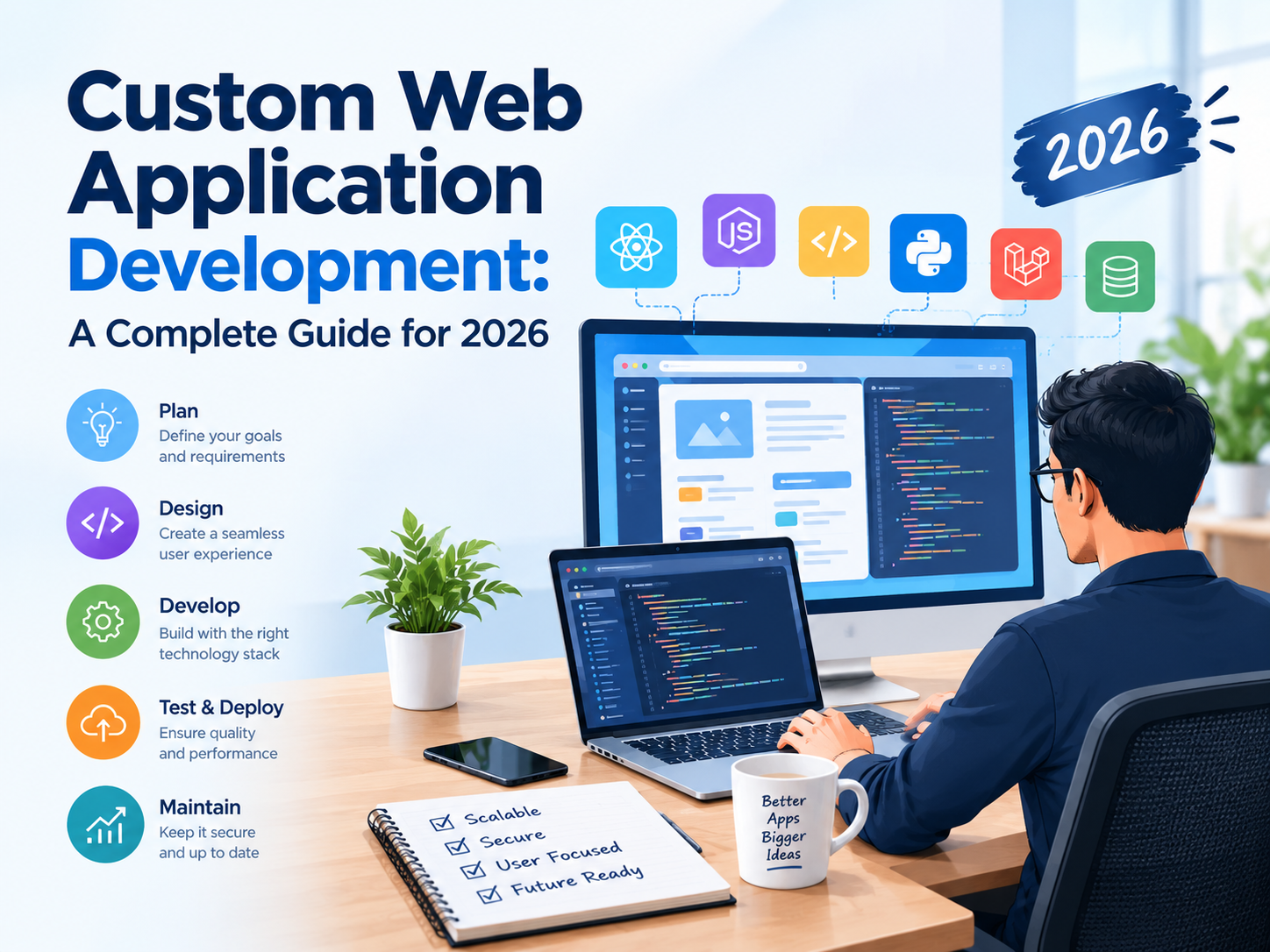
Website Development is another important part of creating an effective digital learning experience. A well-developed learning platform provides an organised environment where users can access courses, view learning materials, complete assessments, and manage their training activities.
We work with technologies such as HTML5, CSS, JavaScript, PHP, AJAX, and jQuery to support responsive and interactive learning experiences.
HTML5 is particularly useful because it supports multimedia content, animations, and interactive features across modern browsers and devices without requiring additional plugins.
Combining professional website development with eLearning expertise helps businesses build accessible and user-friendly digital learning environments.
Why Choose Programming Expertz for eLearning Development in Vancouver?
Choosing the right development partner is important when creating online training programs. Programming Expertz focuses on developing learning experiences according to project requirements, content complexity, and the target audience.
Our services include basic interactive courses, scenario-based learning, advanced simulations, authoring tool development, LMS support, and responsive eLearning solutions.
Whether you need employee training modules, software demonstrations, compliance courses, or customised digital learning content, we can help turn your training material into engaging online courses.
Frequently Asked Questions
Q1. What is included in eLearning development services?
eLearning development can include course design, interactive content, animations, voiceovers, quizzes, assessments, software simulations, and LMS integration.
Q2. Which tools are used for eLearning development?
Popular tools include Adobe Captivate, Articulate Storyline 360, Articulate Rise 360, Lectora, and Camtasia
Q3. Can eLearning courses work on mobile devices?
Yes. Responsive eLearning courses can be designed to work across desktops, tablets, and smartphones.
Q4. What is simulation-based learning?
Simulation-based learning allows learners to practise tasks and understand processes in a virtual environment through demonstrations, practice activities, and assessments.
Q5. Do you provide LMS integration?
Yes. We support platforms such as Moodle, Blackboard, Adobe Connect, and SumTotal, depending on project requirements.